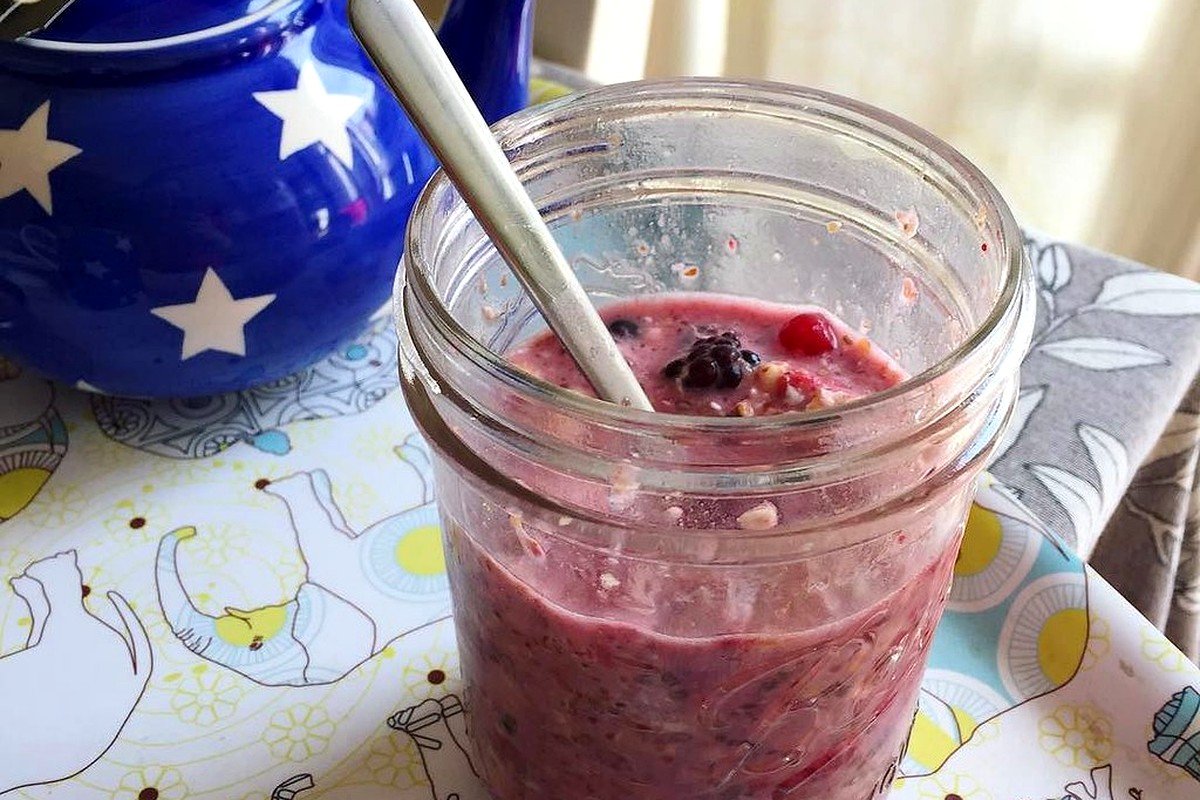
Creamy Vanilla Almond High-Protein Overnight Oats
When I first began revamping my nutrition several years ago, I fell into the all-too-common trap of believing that eating healthy meant resigning myself to unseasoned chicken breast, soggy steamed broccoli, and chalky protein shakes that tasted like wet drywall. I dreaded meal times. But true culinary wellness isn’t about ascetic deprivation—it is about creative synergy. By taking the comfort classics we genuinely adore and intelligently upgrading the macronutrient profile, we create meals that delight our taste buds while powerfully nourishing our metabolic health. Today’s recipe, Creamy Vanilla Almond High-Protein Overnight Oats, is the ultimate testament to that philosophy. It delivers rich, comforting flavors, velvety texture, and an impressive protein density that leaves you thoroughly satisfied for hours on end.
Whether you are actively aiming to shed stubborn visceral fat, fuel intensive strength training sessions, or simply pack wholesome nourishment into a busy work week, this recipe bridges the gap between gourmet comfort food and disciplined nutritional science. Below, I have documented the complete step-by-step masterclass, including the exact food science principles, ingredient nuances, culinary troubleshooting cues, and full macronutrient accountability to ensure your very first batch turns out bakery-flawless.
The Nutritional Science: Why This Recipe Outperforms Traditional Versions
Most traditional versions of this dish are heavily laden with refined white sugars, industrial seed oils, and empty starches that send blood glucose on an aggressive rollercoaster. Within sixty minutes of finishing a conventional portion, your pancreas floods your bloodstream with insulin to clear the glucose surge, resulting in the dreaded mid-afternoon energy crash, brain fog, and renewed cravings for high-calorie snacks. In stark contrast, our reformulated version is engineered around the principle of sustained glycemic stability and high satiety efficiency.
By substituting refined sweeteners with natural fruit fibers and non-caloric plant extracts, and replacing empty fats with lean proteins and healthy fats, we dramatically reduce the net glycemic load. Protein holds the highest Thermic Effect of Food (TEF) of all macronutrients—requiring your body to expend roughly 20 to 30 percent of its caloric energy just to break down, digest, and assimilate the amino acids. Furthermore, the substantial peptide content stimulates the release of cholecystokinin (CCK) and peptide YY (PYY) in your gastrointestinal tract, signaling your brain’s hypothalamic satiety center that you are deeply nourished.

Macronutrient Breakdown & Accountability
| Metric | Value per Serving | Daily Value (%) | Health Benefit |
|---|---|---|---|
| Total Calories | 360 kcal | ~10-15% | Calorie-controlled for effortless deficit or maintenance |
| Lean Protein | 34g | ~45-60% | Protects lean muscle tissue & elevates metabolic rate |
| Net Carbohydrates | 28g | ~6-10% | Slow-burning complex fuel with minimal insulin spike |
| Dietary Fiber | 6 – 8 grams | ~25-32% | Nourishes microbiome & slows gastric emptying |
| Healthy Fats | 11g | ~5-8% | Supports fat-soluble vitamin (A, D, E, K) absorption |
Notice how balanced this profile is compared to typical convenience alternatives. Every single gram of carbohydrate is bound to natural fiber and clean protein molecules, guaranteeing steady, sustained energy release throughout your workday without hormonal disruptions.
Essential Equipment & High-Quality Ingredient Blueprint
To produce gourmet-caliber results in your own home kitchen, the quality of your raw materials matters just as much as your cooking technique. Here is the curated checklist of tools and ingredients I rely on to guarantee pristine texture and taste every single time:
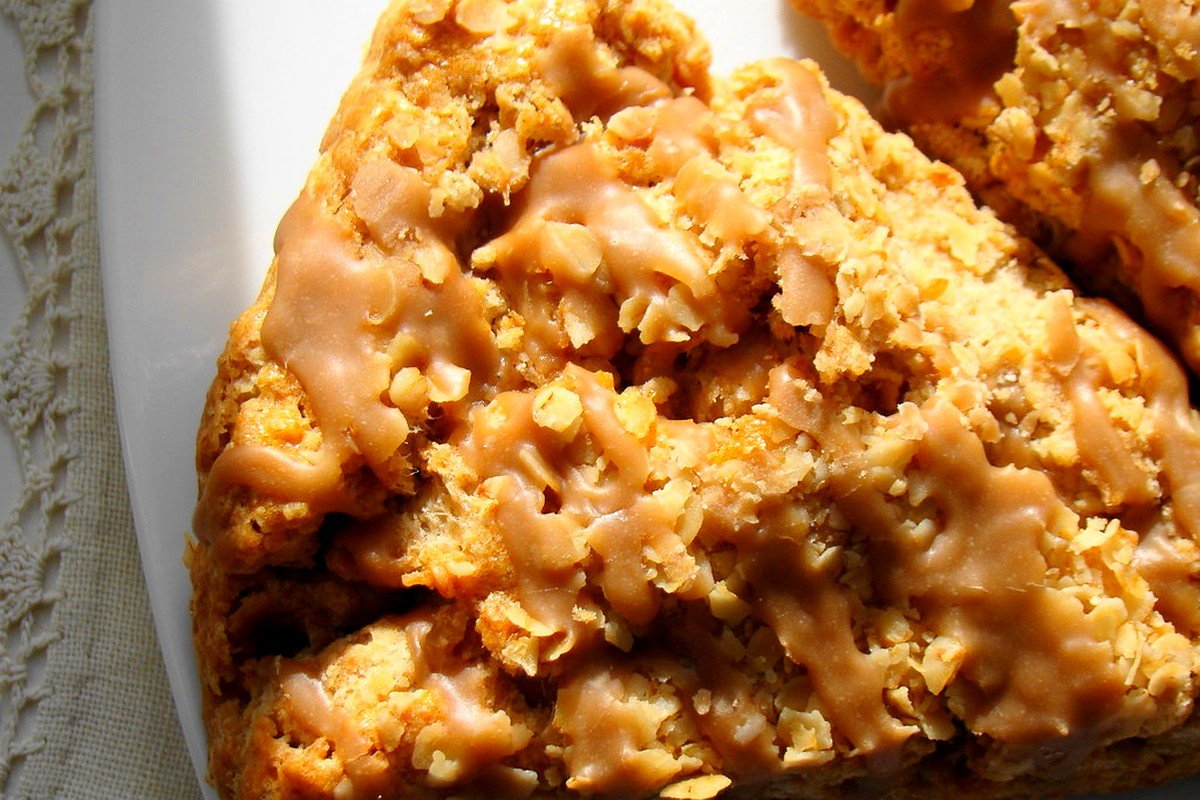
Kitchen Equipment Checklist
- Precision Digital Kitchen Scale: In baking and macro-conscious cooking, volume measurements (cups and tablespoons) are notoriously inconsistent. Weighing your dry and wet ingredients in grams eliminates guesswork and ensures repeatable perfection.
- High-Powered Blender or Immersion Wand: Achieving a luxurious, silky mouthfeel requires rapid emulsification. A quality immersion blender allows you to puree directly in the cooking pot without messy transfers.
- Heavy-Gauge Cookware / Non-Stick Silicone Liners: Prevents hot spots and scorching during long cooking or baking periods, ensuring even heat distribution throughout the entire batch.
- Airtight Glass Storage Jars (Mason Jars): Glass does not leach microplastics or absorb lingering aromas, keeping your batch fresh and tasting crisp for days in the refrigerator.
Key Ingredients & Sourcing Recommendations
- The Primary Whole Food Base: Select fresh, unbruised produce or high-grade proteins. If fruit is the hero ingredient, choosing a balance of sweet and tart varieties yields rich complexity without needing added table sugar.
- The Protein Multiplier: Opt for a cold-filtered grass-fed whey isolate or a 50/50 blend of whey and micellar casein. Whey provides rapid blending, while casein retains moisture during baking, preventing rubbery dryness.
- Natural Aromatic Spices: Seek out genuine Ceylon cinnamon rather than standard supermarket Cassia. Ceylon cinnamon possesses a delicate, floral sweetness and contains negligible levels of coumarin, making it safe for daily therapeutic consumption. Freshly grated nutmeg and whole vanilla bean elevate aroma significantly.
- Clean Sweetener Adjustments: If additional sweetness is desired, pure allulose or organic liquid stevia extract provide clean sweetness without the bitter chemical aftertaste associated with older artificial sweeteners.
Master Step-by-Step Culinary Walkthrough
Follow these meticulously tested steps to execute this recipe with absolute confidence. I have highlighted the exact sensory indicators and visual milestones to look for at each critical stage.
Stage 1: Measure Rolled Oats & Chia Seeds
Combine old-fashioned rolled oats and black chia seeds to create an omega-3 rich gelatinous foundation. Begin by thoroughly washing all produce under cold running water to remove any surface orchard dust or natural waxy coatings. When trimming, precision matters: keeping pieces uniform ensures that every single section absorbs heat and seasoning at an identical pace. Do not rush this preparation phase; taking five mindful minutes with your chef’s knife sets the stage for a stress-free cooking experience.
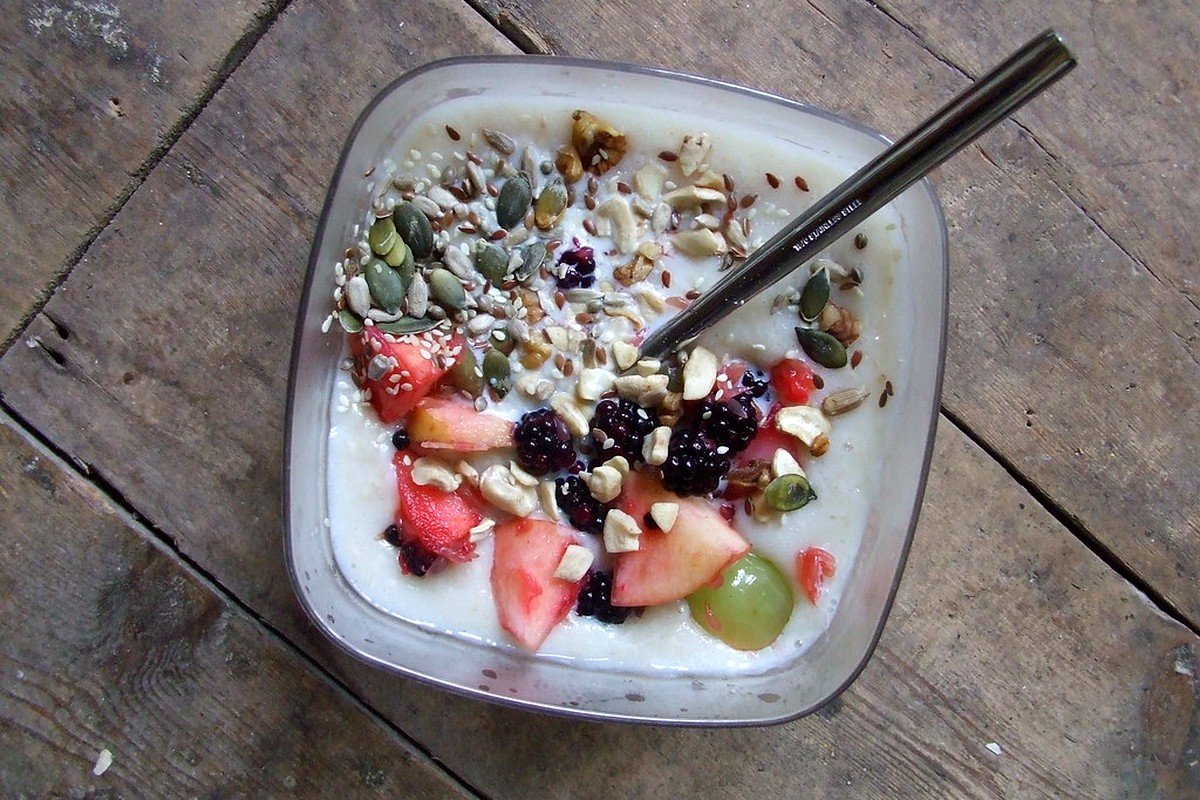
Stage 2: Whisk Whey Isolate into Almond Milk
Whisk vanilla whey protein isolate into unsweetened vanilla almond milk until thoroughly dissolved without lumps. As you incorporate the foundational wet and dry components, observe how the textures begin to marry. If whisking a batter or layering ingredients, avoid vigorous over-mixing which can overdevelop gluten or create unwanted air pockets. You want a cohesive, smooth, and supple blend that holds its shape naturally. The aroma in your kitchen should already start turning rich and fragrant.
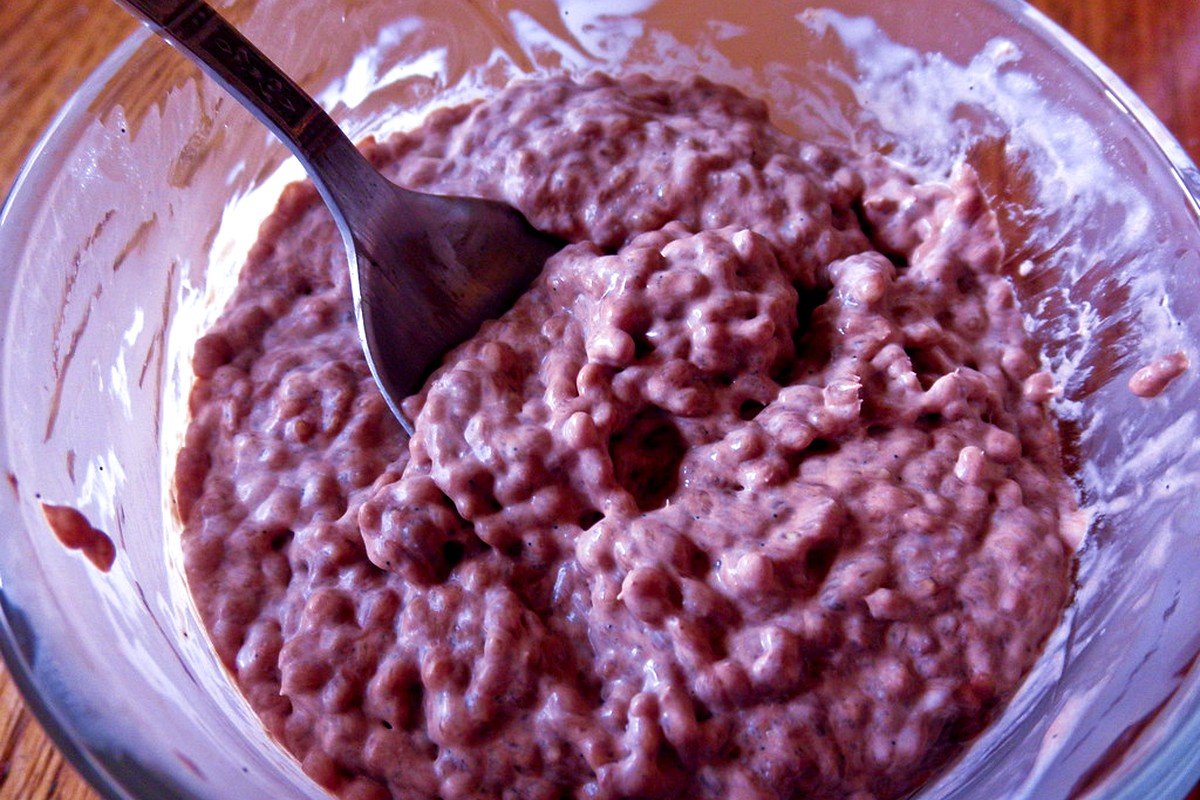
Stage 3: Fold in Thick Plain Greek Yogurt
Gently fold in non-fat Greek yogurt to impart rich body, gut-friendly probiotics, and a velvety dessert-like consistency. This stage is where chemical transformation begins. Gentle thermal energy breaks down cellular pectin and softens firm plant fibers, caramelizing natural sugars and melding deep spices into a harmonious flavor tapestry. Keep a watchful eye on your heat settings: low and slow gentle heat preserves volatile aromatic compounds that high blasting heat would otherwise destroy.
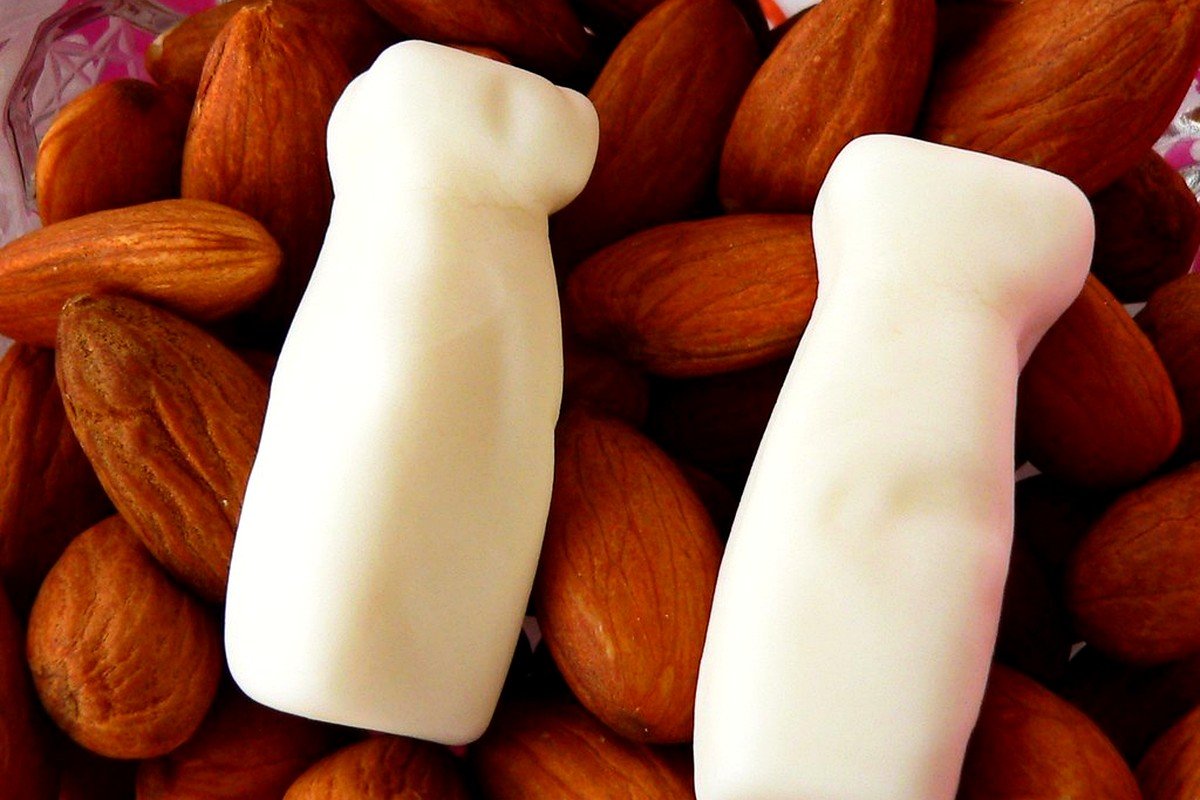
Stage 4: Stir in Creamy Natural Almond Butter
Swirl in single-ingredient almond butter for heart-healthy monounsaturated fats and subtle nutty depth. When transitioning to blending or layering, patience is your best ally. Use a rhythmic, steady motion to incorporate every corner of the vessel. The mixture will transform from a rustic, chunky state into an ultra-smooth, velvety velvet sheen that coats the back of a spoon cleanly. Take a moment to taste a tiny sample on a clean spoon and adjust spice notes if your palate desires an extra dash of warmth.
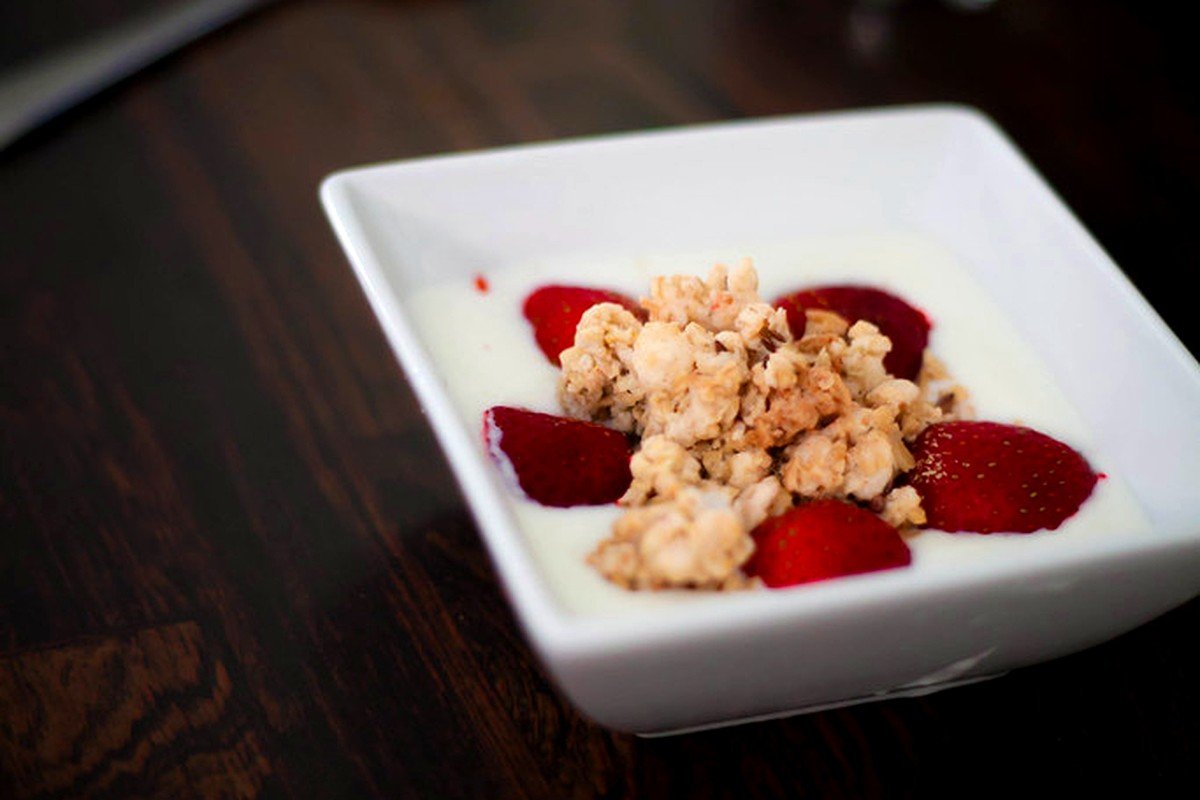
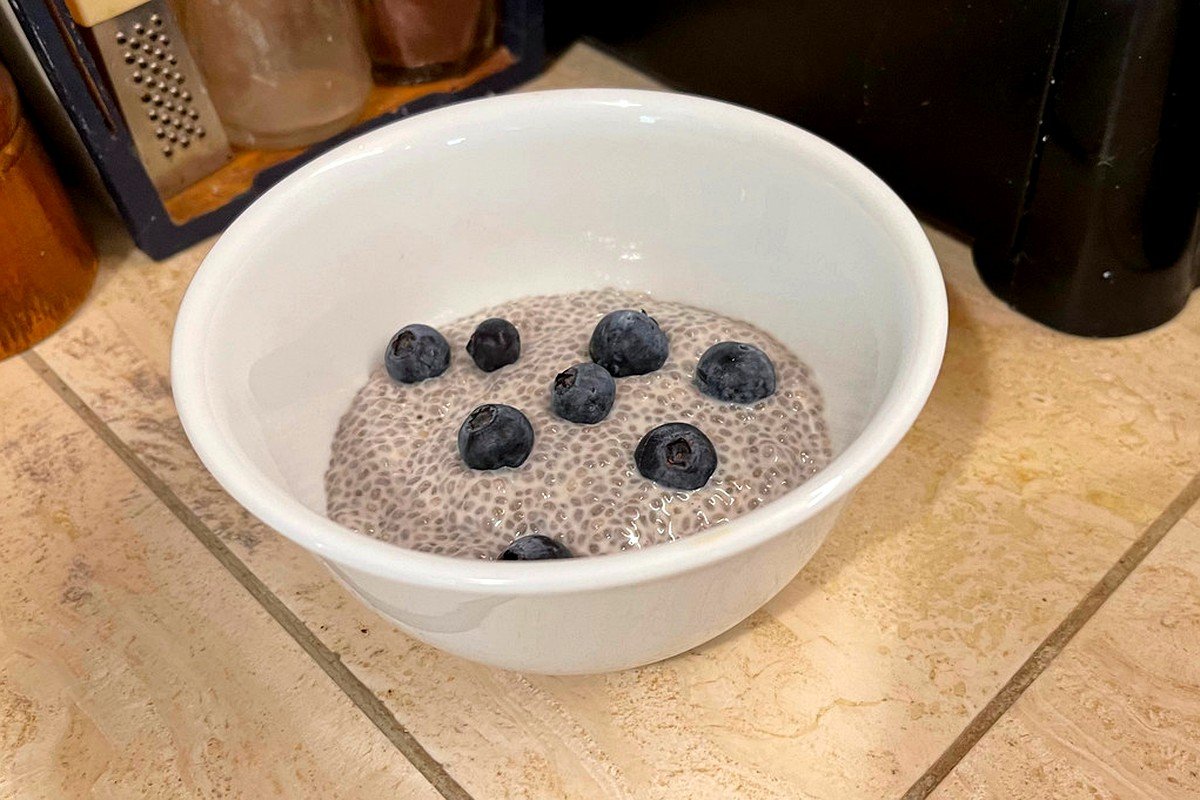
Stage 5: Chill Overnight in Airtight Glass Jars
Seal mason jars and refrigerate for a minimum of 6 hours (ideally 8-10 hours) for the oats to fully hydrate. Adding protein powder requires precise thermal awareness. Protein molecules are delicate peptide chains that denature and coagulate if exposed to boiling temperatures (above 165°F / 74°C). Allowing the mixture to cool to a warm, gentle holding temperature before whisking in your protein ensures an emulsified, creamy texture that never turns gritty, separated, or chalky.
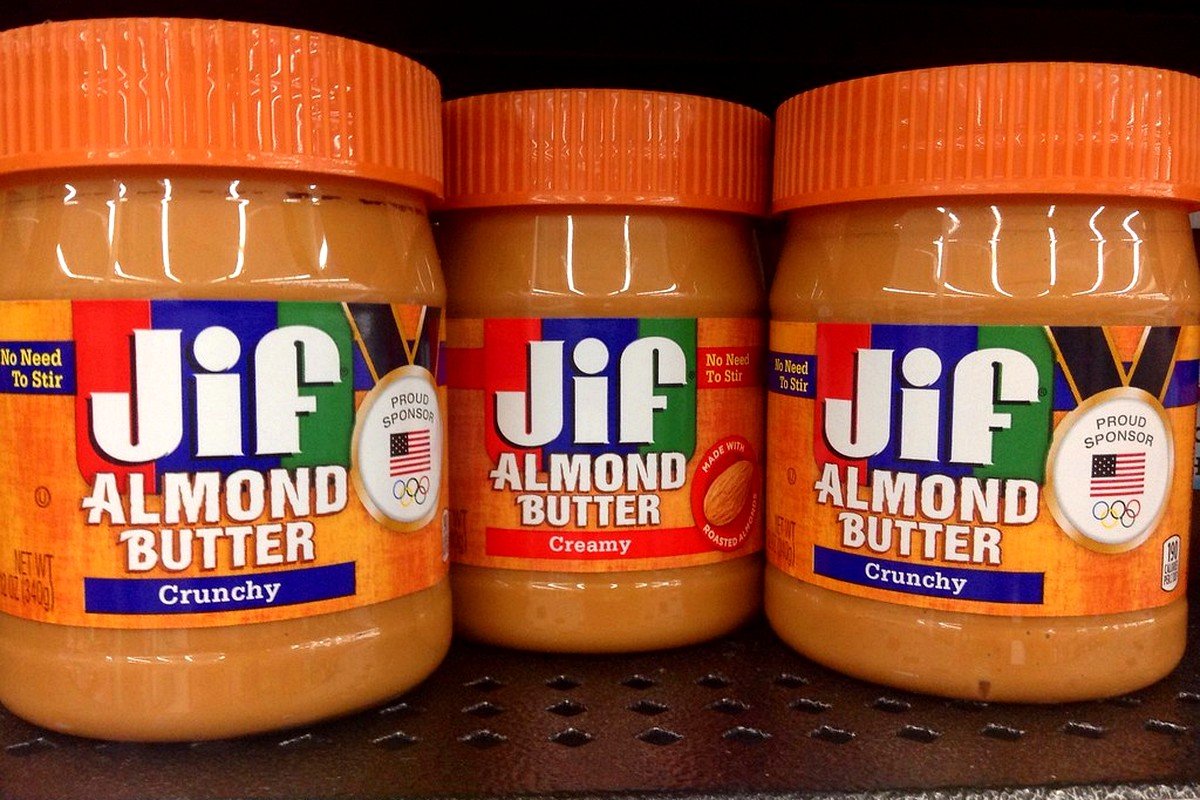
Stage 6: Top with Toasted Sliced Almonds & Cinnamon
Just before eating, garnish with toasted crunchy almonds, a dust of cinnamon, and a few fresh berries. The final stage is about proper resting and preservation. Allow the dish to cool completely to ambient room temperature before sealing into sterile glass containers or portioning onto serving plates. This cooling window allows the natural fibers and starches to settle into their final luxurious density, locking in moisture and intensifying the deep flavor profile.

Pro Chef Secrets & Critical Coaching Cues
Even with great ingredients, small micro-adjustments in the kitchen make the difference between a good dish and an unforgettable culinary masterpiece. Here are the professional secrets I have learned after testing dozens of iterations:
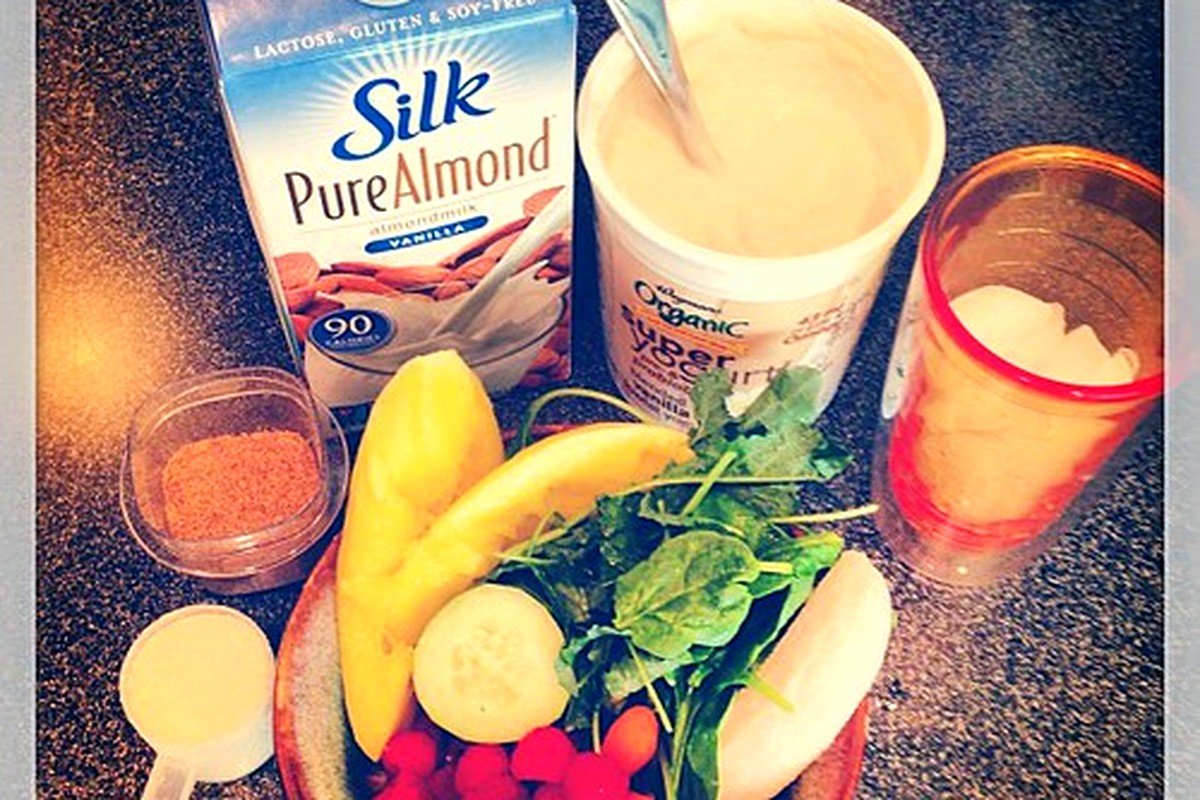
- Liquid to Oat Ratio: Maintain a 1:1.5 ratio of rolled oats to liquid when using chia seeds to guarantee a pudding-like density. When protein is introduced correctly, it enriches the mouthfeel rather than altering it. Never dump dry protein powder into boiling liquid; if necessary, pre-slurry it with two tablespoons of lukewarm water or almond milk before stirring into the main mixture.
- Preventing Chalky Protein Powder: Dissolving protein powder in the plant milk first using a mini-frother guarantees a silky mouthfeel without any dry clumps. Salt is not just for savory dishes—a generous pinch of flaky mineral sea salt acts as an acoustic amplifier for sweetness and warm spices, suppressing bitterness and making the dish taste far richer without extra calories.
- The Citrus Finish: A tiny squeeze of fresh lemon juice or a drop of apple cider vinegar right at the end introduces natural malic and citric acid, brightening heavy warm spices and making every bite taste fresh and vibrant.
Common Pitfalls & What to Do Instead
Avoid these frequent rookie mistakes that undermine texture, flavor, and macro precision:

Avoid These Mistakes
- Rushing the cooking time with excessive high heat, causing surface scorching and bitter burnt notes.
- Using cheap, artificially sweetened protein powders that overwhelm the natural flavors with synthetic sucralose taste.
- Eyeballing liquid quantities; even an extra two tablespoons of liquid can turn a luscious spread or cake batter into a watery pool.
- Sealing warm food into airtight containers prematurely, creating condensation that makes surfaces soggy and breeds mold.
Follow This Protocol
- Maintain disciplined low temperatures to gently develop complex caramelization.
- Invest in clean, naturally sweetened or unflavored protein powder from grass-fed sources.
- Always utilize a gram scale for wet and dry consistency.
- Cool completely on wire racks or open counters before snapping on airtight lids.
Custom Variations & Dietary Swaps
Every individual’s dietary framework is unique. Here is how you can customize this recipe effortlessly to suit your specific lifestyle demands:
- 100% Plant-Based / Dairy-Free Modification: Replace whey protein with an organic fermented pea and brown rice protein blend. Substitute dairy yogurt with unsweetened almond or coconut milk yogurt. The texture remains exceptionally creamy and decadent.
- Ultra Low-Carb / Strict Keto Variation: Swap any higher-sugar fruits for berries, zucchini puree, or roasted spaghetti squash, and use almond flour bases to keep total net carbs under 4 grams per serving.
- Nut-Free Allergy Friendly: Replace almond butter or almond milk with creamy sunflower seed butter (sunbutter) or oat milk for a school-safe, allergy-friendly alternative that maintains a rich nutty undertone.
Meal Prep, Storage, & Shelf-Life Protocol
Batch cooking is the ultimate superpower for sustaining healthy habits when life gets hectic. Here is how to keep this recipe fresh and delicious throughout the week:

Store your finished portions in airtight glass containers in the coldest section of your refrigerator (typically the back of the bottom shelf). Under proper refrigeration, it maintains peak flavor, aroma, and microbiological safety for 5 to 7 days.
If you wish to freeze portions for future busy weeks, portion into freezer-grade silicone containers or wide-mouth mason jars, leaving at least 1/2-inch of headspace to accommodate natural expansion during freezing. Freeze for up to 3 months. To thaw, transfer to the refrigerator overnight. Never microwave high-protein dishes on maximum blast; warm gently on 50% power or enjoy chilled.
Daily Routine & Habit Stacking Integration
The greatest recipe in the world provides zero benefit if it remains sitting in an unread browser tab. To build true vitality, tie this recipe into your daily living rhythm through habit stacking:

- Morning Jumpstart (7:00 AM – 8:30 AM): Pair a serving with your morning black coffee or green tea. The instant 20-30g of bioavailable protein stabilizes morning cortisol and eliminates mid-morning vending machine impulses.
- Post-Workout Anabolic Window (Within 60 mins of training): Consume as a nutrient-dense recovery meal to shuttle amino acids and replenishing glycogen directly into fatigued muscle fibers.
- Evening Craving Blocker (8:00 PM): Enjoy a small chilled portion as a guilt-free dessert when sweet cravings strike after dinner. The slow-digesting protein prevents midnight awakenings and stabilizes nighttime blood sugar.
Frequently Asked Questions from the Community
Here are detailed answers to the most common questions our readers ask when preparing this recipe:

1. Can steel-cut oats be substituted?
Steel-cut oats remain too tough in cold soak; stick with rolled or quick oats for the ideal creamy texture. When preserving high-protein foods, remember that protein fundamentally alters water activity and acidity levels. Traditional water-bath canning relies on high sugar content and precise pH to prevent bacterial proliferation. Because this recipe is low in sugar and high in peptide protein, refrigerator or freezer storage is strictly recommended for total food safety.
2. How long do meal-prepped jars keep?
Jars remain fresh, thick, and delicious for up to 5 days in the refrigerator, making Sunday night prep ideal for the work week. For optimal versatility, keep a batch prepared on Sunday evening. Throughout the week, you can spread it onto toasted Ezekiel bread, swirl it into warm steel-cut oats, dollop it over cottage cheese, or use it as a flavorful dip for crisp apple slices. The possibilities are endless!
3. Can I double or triple this recipe for a large family?
Absolutely! The ingredient ratios scale linearly without any issue. If using a slow cooker or large pot, ensure your vessel has enough volume to accommodate the increased bulk without overflowing, and extend the simmering time by approximately 20% to account for the larger thermal mass.
4. Why is my batch slightly thinner than the photos?
Natural produce varies in moisture content depending on the season and variety. If your batch feels looser than desired, simply leave the lid ajar for the final 30-45 minutes of cooking to allow excess moisture to evaporate, or stir in an additional tablespoon of ground chia seeds or psyllium husk, which will thicken the consistency naturally within minutes.
The Bottom Line: Savor Your Wellness Journey
Healthy living is not an all-or-nothing punishment—it is an ongoing celebration of vitality, nourishment, and joyful culinary exploration. When you prepare whole, protein-packed recipes like this in your own kitchen, you take sovereign control over your energy, body composition, and longevity. Whip up a batch this weekend, savor the comforting aromas filling your home, and feel the incredible difference that mindful, high-protein nutrition makes in your daily life!