
Intermittent Fasting for Beginners: Simple Schedules, Health Benefits, and What to Avoid
If you have ever embarked on a diet only to find yourself irritable, foggy-headed, obsessing over food, and eventually giving up in exhaustion, I want you to know something critical: you did not fail the diet—the diet failed you. The multi-billion dollar weight loss industry thrives on convincing ordinary people that shedding body fat requires heroic feats of self-denial, extreme starvation, and hours of grueling cardiovascular punishment. But human biology does not respond well to deprivation; it views extreme calorie cuts as a life-threatening famine and retaliates by dropping your basal metabolic rate, surging hunger hormones, and driving uncontrollable binge cravings. Today’s guide, Intermittent Fasting for Beginners: Simple Schedules, Health Benefits, and What to Avoid, replaces dogma with proven metabolic science and realistic human psychology.
True, sustainable fat loss is not about fighting your body; it is about working in harmony with your physiology. When you understand the neurological mechanisms behind satiety, the hormonal drivers of fat storage, and the daily behavioral architectures that make healthy choices effortless, fat loss stops being an exhausting battle and becomes your natural default state. Let us break down the exact strategies you need to master starting today.
The Biological Blueprint: How Fat Loss Actually Works in the Human Body
At its fundamental thermodynamic core, fat loss requires a sustained negative energy balance—commonly referred to as a calorie deficit. Adipose tissue (body fat) is essentially stored chemical potential energy. When your daily energy expenditure exceeds the caloric energy ingested through food and drink, your body releases enzymes (such as hormone-sensitive lipase) to cleave stored triglycerides into glycerol and free fatty acids, which are then oxidized inside cellular mitochondria to produce adenosine triphosphate (ATP).
However, treating the human body like a simple bomb calorimeter ignores the profound hormonal feedback loops that regulate energy expenditure. When you aggressively slash calories, your thyroid gland downregulates the conversion of thyroxine (T4) into active triiodothyronine (T3), your sympathetic nervous system reduces subconscious fidgeting and spontaneous movement (NEAT), and your stomach amplifies the secretion of ghrelin—the primary orexigenic peptide that triggers intense hunger. To lose fat permanently without rebounding, your protocol must preserve metabolic rate and keep satiety hormones elevated throughout the journey.

The Metabolic Satiety Matrix
| Hormone / Factor | Traditional Crash Diet Response | Our Evidence-Based Protocol | Impact on Fat Loss |
|---|---|---|---|
| Ghrelin (Hunger) | Spikes aggressively (+35%) | Blunted via protein & high food volume | Prevents constant gnawing hunger |
| Leptin (Fullness) | Crashes severely (-40%) | Preserved via periodic refeeds & diet breaks | Maintains metabolic rate & thyroid function |
| Cortisol (Stress) | Elevated, drives fluid retention | Kept low through adequate sleep & moderate deficit | Eliminates water weight masking & belly fat storage |
| NEAT Expenditure | Drops by up to 500 kcal/day | Monitored & anchored via daily step baselines | Preserves active calorie burning engine |
| Lean Muscle Mass | Catabolized for gluconeogenesis | Sparing through high protein & resistance training | Ensures firm, toned physique upon reaching goal |
The Core Foundation: Daily Targets & Habit Checklist
Before diving into tactical execution, let us establish the foundational parameters that anchor your daily lifestyle. Success is built on mundane consistency, not occasional heroics:

Daily Non-Negotiable Benchmarks
- Caloric Deficit Baseline: Set a moderate, conservative deficit of 350 to 500 calories below your calculated Total Daily Energy Expenditure (TDEE). This rate yields 0.75 to 1.5 pounds of pure fat loss per week while preserving lean muscle and metabolic rate.
- Protein Target: Consume 0.8 to 1.0 grams of complete protein per pound of target bodyweight (or 1.6 to 2.2g per kilogram). Protein provides the structural building blocks for muscle repair and commands the highest thermic effect of any nutrient.
- Daily Step Volume: Maintain a baseline of 8,000 to 10,000 steps daily. Walking is an extraordinary fat-burning tool because it incurs almost zero central nervous system fatigue and burns primarily free fatty acids for fuel without spiking appetite.
- Cellular Hydration: Drink 2.5 to 3.5 liters of clean water daily. Even mild dehydration of just 1-2% slows mitochondrial metabolic efficiency and is frequently misinterpreted by the brain as acute food cravings.
Master Step-by-Step Strategic Walkthrough
Implement these 6 progressive habit phases to systematically restructure your environment, biology, and daily behaviors for permanent fat loss:
Phase 1: Choose the Right Schedule for Your Lifestyle
Start with 14/10 (fast 14 hours, eat within 10) before progressing to the gold-standard 16/8 protocol. The most powerful way to eliminate decision fatigue is to establish stable nutritional anchors. When meal times and structures are chaotic, your brain defaults to convenience and impulsive choices driven by low blood sugar. Designing two or three predictable, high-protein anchor meals removes emotional willpower from the equation and creates biological rhythm that your digestive tract thrives on.

Phase 2: Hydrate with Mineral-Rich Fluids During Fasting
Drink plain water, black coffee, unsweetened green tea, and add a pinch of Himalayan pink salt for electrolyte balance. Non-Exercise Activity Thermogenesis (NEAT) accounts for significantly more daily caloric burn than a 45-minute gym session. Simple behavioral adjustments—such as pacing during phone calls, choosing distant parking spots, taking walking meetings, and standing for portions of your desk shift—accumulate hundreds of additional burned calories without triggering compensatory hunger surges.
Phase 3: Break Your Fast with Protein and Healthy Fats
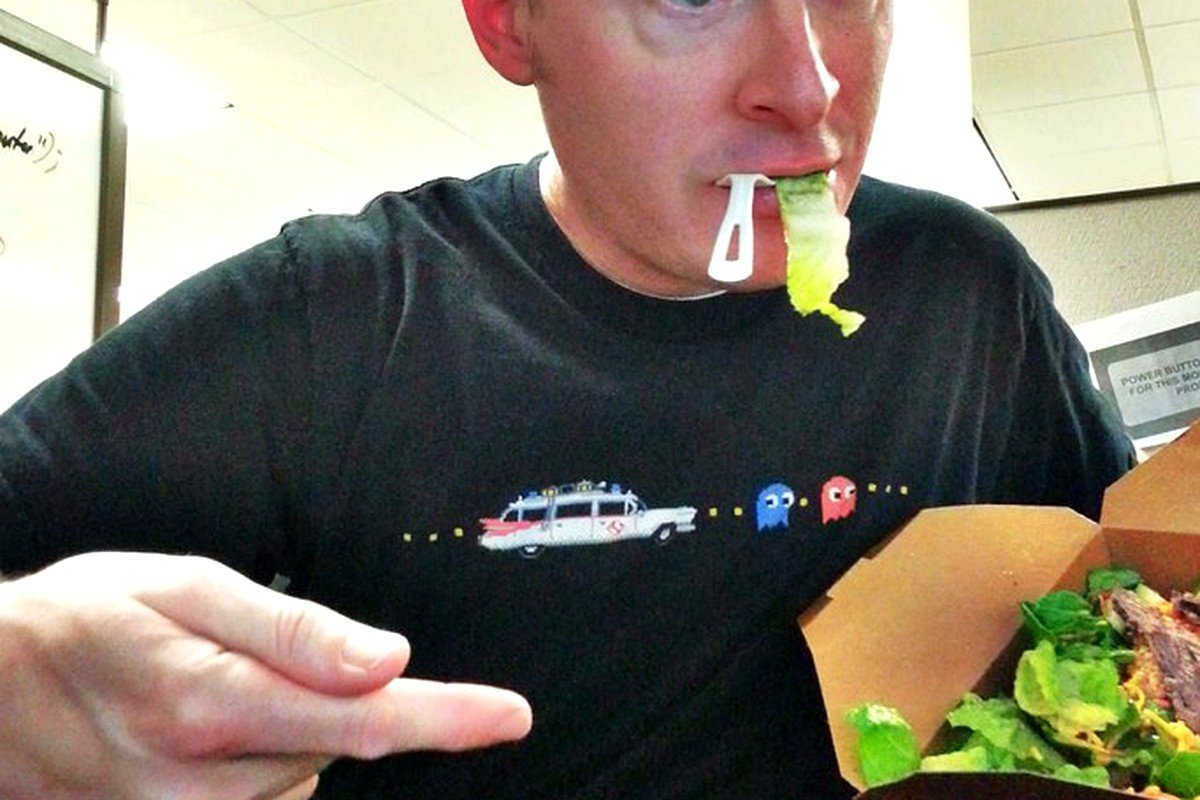
Avoid breaking your fast with high-sugar carbs; prioritize eggs, chicken, avocado, and leafy greens to prevent insulin spikes. Dining out and social gatherings should never feel like a high-stakes dietary minefield. By establishing a default rule of ordering protein first (such as grilled salmon, sirloin steak, or roasted chicken breast) accompanied by double steamed vegetables, you fill your stomach with nutrient-dense bulk before high-calorie appetizers or bread baskets ever arrive at the table.

Phase 4: Never Treat Feeding Windows as an All-You-Can-Eat Buffet
Fasting does not negate the laws of thermodynamics; calories consumed during your eating window still dictate fat loss. A lack of prepared food on a stressful Tuesday evening is the single greatest catalyst for emergency takeout ordering. Investing just 45 to 60 minutes on the weekend to batch-cook staple proteins, steam sweet potatoes, and chop crisp raw vegetables guarantees that a high-protein, nutrient-dense meal is always ready in less time than it takes for a delivery driver to arrive.

Phase 5: Listen to True Hunger vs. Boredom Cues
Notice stomach rumblings that pass within 15 minutes versus genuine biological hunger signals. Mindless nighttime grazing while watching television is responsible for a massive percentage of stalled fat loss journeys. Establishing a firm kitchen shutdown time two to three hours before sleep breaks the habitual link between screen relaxation and eating. Transition to a soothing ritual like drinking chamomile or peppermint tea to signal to your nervous system that the feeding window is closed.
Phase 6: Maintain Social Flexibility on Weekends
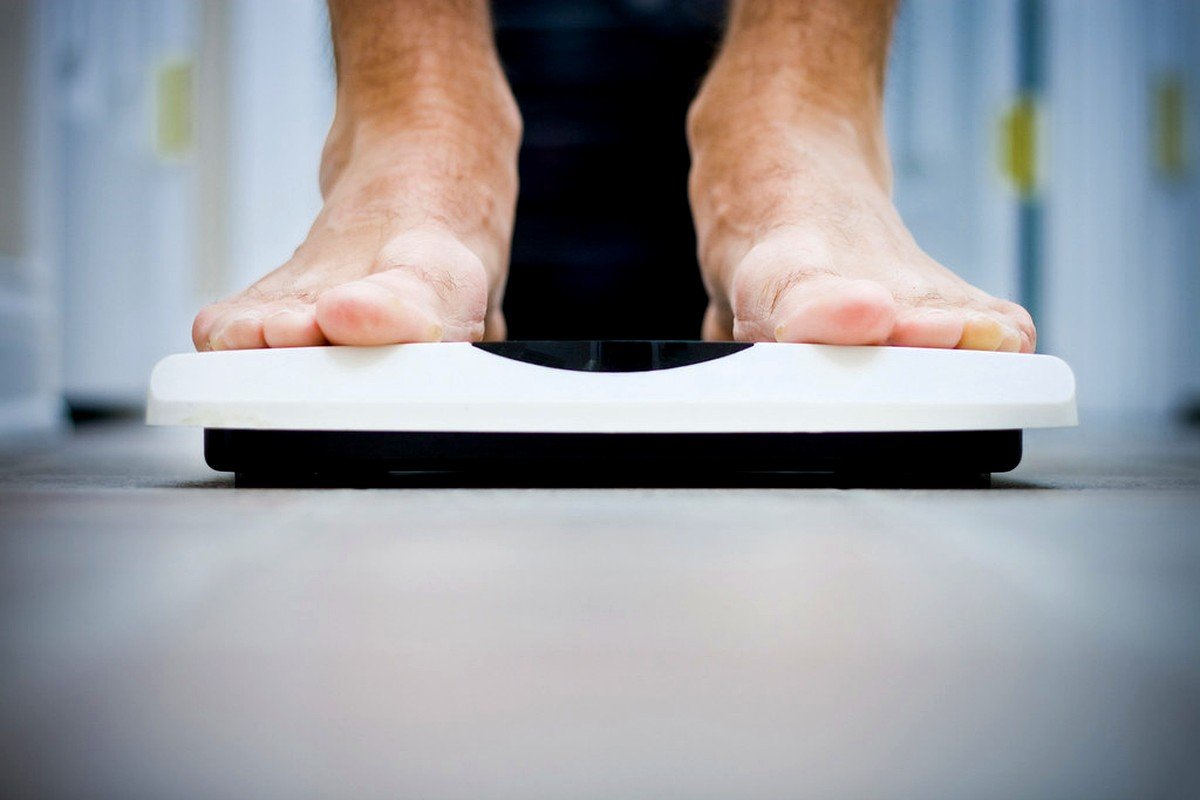
Adjust your fasting window freely for family brunches or celebrations without feeling guilt or failure. The scale is an emotional weapon when misunderstood. Day-to-day fluctuations reflect water, intestinal food volume, and hormonal fluid shifts—not changes in adipose tissue. By recording your weight several mornings a week and tracking the 7-day rolling median, you filter out irrelevant statistical noise and clearly observe the true underlying fat loss trend.

Expert Coaching Insights & Mindset Shifts
Long-term weight management is predominantly a psychological endeavor. Here are the crucial mindset shifts that separate those who keep fat off for decades from those who regain it within months:

- What Actually Breaks a Fast?: Anything containing calories, including collagen peptides, milk in coffee, and BCAAs. Keep it strictly zero-calorie. Liquid calories are stealth saboteurs of metabolic success. Beverages like fancy lattes, fruit smoothies, sweetened iced teas, and craft beers do not trigger physical mastication (chewing), meaning your brain fails to register their energy content, leaving you just as hungry as before.
- Fasting Considerations for Women: Women are more sensitive to kisspeptin and reproductive hormonal disruption; 14/10 or 15/9 is often ideal. Chronic psychological and physiological stress elevates glucocorticoid hormones like cortisol. Sustained high cortisol mobilizes triglycerides from peripheral subcutaneous depots and redeposits them directly into visceral abdominal fat pads around internal organs. Prioritizing stress decompression is a biological necessity for a lean waistline.
- The 80/20 Consistency Rule: You do not need 100% dietary perfection to achieve world-class body recomposition. Adhering to your protocol 80 to 85% of the time while enjoying mindful flexibility the remaining 15% prevents feelings of deprivation and makes the lifestyle indefinitely sustainable.
Common Pitfalls That Stall Fat Loss & Better Approaches
If your progress has ground to an abrupt halt, examine these common behavioral blindspots:

Common Roadblocks
- Eyeballing peanut butter, salad dressings, and cooking oils without realizing a single extra tablespoon adds 120 calories.
- Eating in an aggressive 700-calorie deficit all week, then having an unmonitored 3,000-calorie weekend binge that erases the weekly deficit.
- Relying exclusively on cardiovascular workouts while ignoring resistance training, leading to muscle wasting and a sluggish resting metabolic rate.
- Drastically cutting sleep to 5 or 6 hours, which spikes hunger hormone ghrelin and makes cravings almost impossible to resist.
Winning Strategy
- Use an inexpensive digital food scale for calorie-dense items like nuts, nut butters, and oils for 2 weeks to recalibrate your visual estimates.
- Maintain consistent, enjoyable meals across all seven days of the week, avoiding extreme deprivation during the work week.
- Prioritize progressive resistance training 3-4 days per week to signal to your body that muscle tissue is indispensable.
- Protect an 8-hour sleep opportunity every single night as your non-negotiable fat loss foundation.
Customizing for Your Unique Lifestyle
No single protocol works identically for every individual. Here is how to adapt these principles to your specific life circumstances:

- For Shift Workers & Irregular Schedules: Do not worry about traditional clock times. Simply anchor your meals relative to your specific wake-up time. Keep your first meal within 90 minutes of waking and your final meal 3 hours before your scheduled sleep, regardless of whether that falls at noon or midnight.
- For Frequent Business Travelers: Keep shelf-stable high-protein snacks in your carry-on luggage (grass-fed beef jerky, individual packets of whey or plant protein, raw almonds). When eating in airports, seek out sushi shops, Mediterranean bowl restaurants, or steak houses where grilled meats and greens are readily available.
- For Post-Menopausal Women: Declining estrogen levels can reduce insulin sensitivity and increase abdominal fat distribution. Emphasize strength training with heavier weights to stimulate bone mineral density, and prioritize protein pacing (35g per meal) to effectively overcome age-related anabolic resistance.
Preserving Your Results: The Reverse Dieting Protocol
Once you reach your target body composition, the real victory lies in keeping it permanently without having to diet forever. This is where reverse dieting becomes vital:

Do not abruptly return to your pre-diet calorie intake upon reaching your goal. Your metabolism is currently adapted to a lower intake. Instead, gradually increase your daily intake by 75 to 100 calories per day each week, primarily in the form of complex carbohydrates and healthy fats, while keeping daily steps and strength workouts constant.
This systematic, step-wise increase gradually coaxes your thyroid output, leptin levels, and NEAT expenditure back up to robust maintenance levels without triggering rapid adipose rebound. Within 6 to 8 weeks, you will be eating hundreds of additional calories every single day while effortlessly maintaining your new, lean physique.
Daily Routine & Habit Stacking Schedule
Integrate these practices seamlessly into your daily schedule to make fat loss an automatic byproduct of your routine:

- 7:00 AM (Morning Activation): Chug 24oz of water with a pinch of sea salt. Perform 10 minutes of gentle mobility or step outside for 5 minutes of direct sunlight.
- 8:00 AM (Anchor Meal #1): Consume 30-40g of clean protein with whole food fiber (e.g., 3 whole eggs with 1/2 cup egg whites, spinach, and sourdough toast).
- 12:30 PM (Midday Refuel & Walk): Enjoy a balanced lunch rich in lean protein and colorful vegetables. Immediately follow with a brisk 15-minute outdoor walk to clear postprandial glucose.
- 5:30 PM (Movement & Exercise): Complete your scheduled 30-40 minute resistance training session or brisk neighborhood walk.
- 7:00 PM (Evening Anchor Meal #2): Wholesome dinner focused on lean protein, complex carbs (potatoes, rice, or squash), and fiber.
- 9:30 PM (Digital Sundown & Sleep): Dim indoor lights, power down digital screens, sip soothing herbal tea, and prepare for 8 hours of restorative deep sleep.
Frequently Asked Questions from the Community
Here are comprehensive answers to the most common questions our readers ask when optimizing their weight management strategy:

1. Can you work out in a fasted state?
Yes! Fasted strength training or light cardio is safe, provided you consume protein and electrolytes shortly afterwards. When progress stalls, remember that your body is not broken. True plateaus represent a biological adaptation where energy expenditure has naturally dropped to match your reduced calorie intake. Implementing a structured 7 to 10 day diet break at calculated maintenance calories resets leptin and thyroid hormones, allowing fat loss to resume smoothly once you return to your deficit.

2. How to handle morning headaches during week one?
Headaches are almost always caused by sodium depletion as insulin drops. Sip water with 1/4 tsp sea salt. When social dinners or celebrations arise, look at your nutrition through a weekly rather than a daily lens. Reducing calories slightly by 150-200 kcal on Monday through Thursday creates an extra buffer that allows you to enjoy an indulgent Saturday dinner with friends without setting your progress back by a single millimeter.

3. Will eating carbs after 6:00 PM make me gain fat?
This is one of the most persistent myths in fitness. Carbohydrates consumed in the evening are metabolized through the exact same biochemical pathways as carbohydrates eaten at noon. In fact, consuming a moderate portion of complex carbohydrates with dinner can stimulate serotonin production and lower cortisol, helping you fall asleep faster and sleep deeper!
4. How much water weight will I lose in the first week?
When you first reduce refined carbohydrates and overall caloric intake, your body burns through stored glycogen reserves in liver and muscle tissue. Because every gram of glycogen binds to roughly 3 to 4 grams of water, it is very common to shed 4 to 7 pounds of water weight during the first 7 days. Once glycogen stabilizes, fat loss settles into a steady, healthy 1 to 2 pounds per week.
Final Thoughts: Consistency Beats Perfection Every Single Time
Transforming your body and health is a marathon of small, loving, daily actions. Stop looking for magical shortcuts, detox teas, or extreme quick fixes that promise overnight miracles. Embrace the power of whole foods, prioritize daily movement, protect your sleep, and treat yourself with patience and respect. Your future self will look back on the decision you make today with immense gratitude!